Private-label badminton court shoes, road trainers, trail pairs and team colorways are quoted as a tool path: last freeze, colorway, logo placement, sampling window, MOQ and the compliance files that ride with the first carton. This page is the manufacturing brief for brand, retail and team buyers — not a sustainability essay.
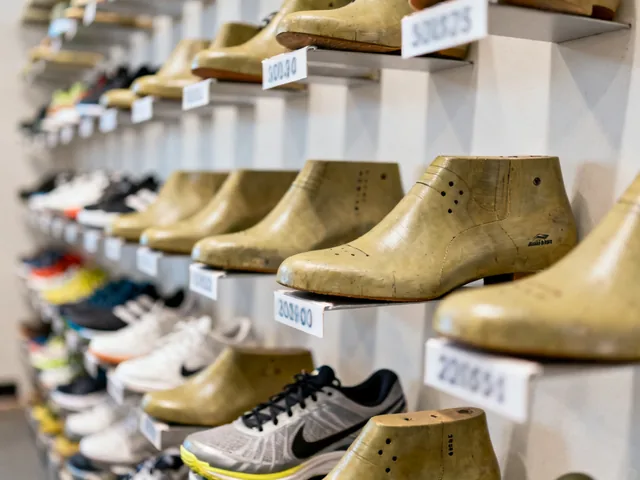
Stock wholesale and private-label OEM share factories and last knowledge. They do not share clocks. A stock court colorway can quote in one business day. A custom last, heel logo or new outsole tool starts a five-business-day proposal and a 14–21 day gold-sample window after last freeze. Buyers who treat OEM as a faster version of wholesale usually miss the size-run date they printed in a catalog.
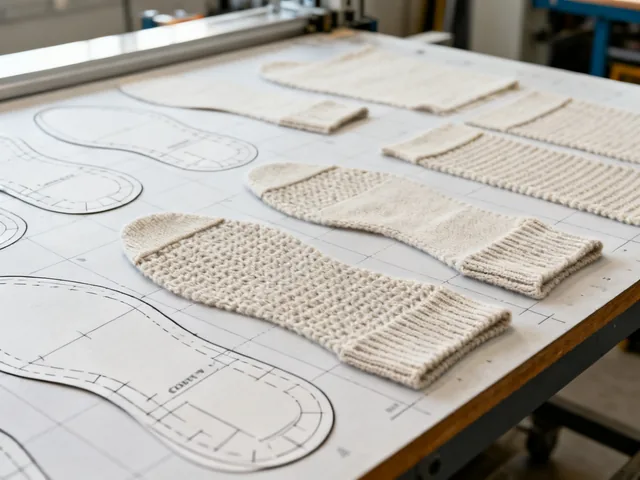
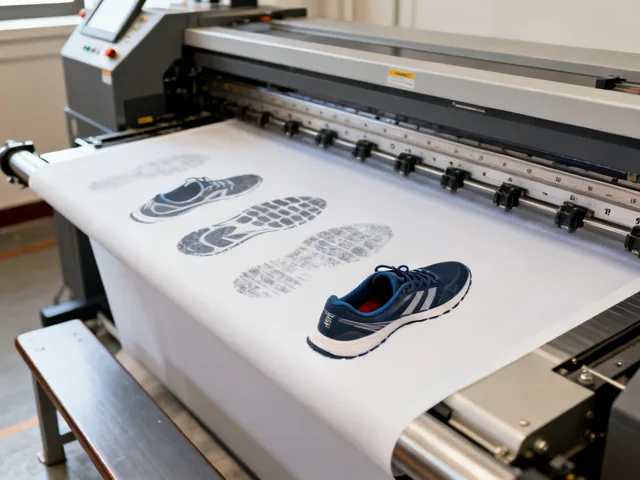
Print, embroidery, cutting and colorway work are locked before the first upper is cut. Sublimation on a knit tongue, screen print on a leather-like overlay and embroidery on a heel tab are different processes with different GSM and heat limits. Mixing them on one upper without a revision note is the usual reason a gold sample comes back with a cracked mark or a stiff collar.
MOQ is set per tool and colorway, not per brand wish. If the last changes, the tool changes, and the sample clock restarts.
Team and club programs add a numbering window and a roster size mix. Footwear numbering is a heel or tongue mark, not a jersey print. The desk will not accept a roster change after gold sample if the size mix shifts the last run. Kids private-label pairs still carry CPSIA tracking for North America. Indoor court private-label pairs still quote non-marking gum when sold for wood or PU floors.
Typical inquiry bands on an existing last start around 300 pairs per colorway; a new last is quoted separately because the tool cost does not amortize across a one-color trial. Those figures are planning inputs until they appear on a countersigned quotation. Capacity notes describe current line loading for court, road and trail tools; they are not a promise to insert a rush lot ahead of an already frozen size run.
Minimum order quantities are quoted per last tool and per colorway. A second colorway on an existing court or road last is cheaper than a new last. Wide-fit tools and kids blocks are separate tools. The desk will not average MOQ across court, running and trail lasts to make a first order look smaller.
Gold samples typically return in 14–21 working days after last freeze. A buyer-owned last that has not been run on this line needs an extra fit round before density is signed. EVA versus Phylon density changes require a compression-set retest before the sample is signed. Waterproof class cannot be upgraded after gold-sample lock without a new hydrostatic or coating test.
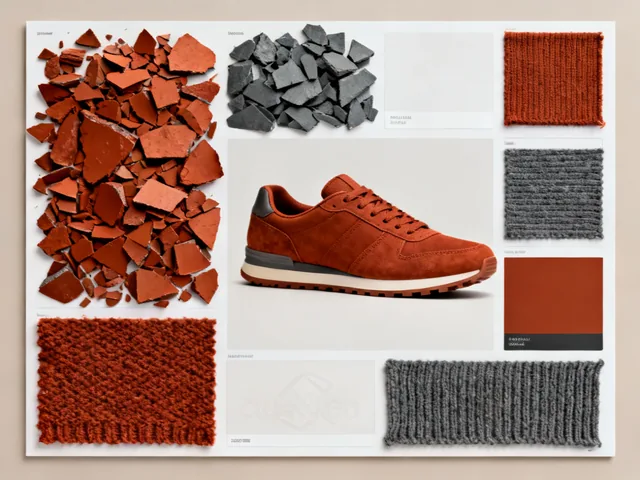
Sublimation suits engineered knit tongues. Screen print suits overlay panels with enough GSM to take ink without strike-through. Embroidery needs a stable overlay; stitch holes on knit become tear starts during lateral cuts. Cutting dies and color chips are frozen with the gold sample. A late logo move is a revision, not a verbal tweak on the packing line.
ISO 9001:2015 process evidence, amfori BSCI social audits and OEKO-TEX STANDARD 100 textile scope are issued by site and article. CPSIA tracking is added for kids pairs bound for North America. The desk will not paste a certificate logo onto a scope the current file does not cover. Dossier requests target three business days when the legal entity and market are named.
Club numbering is a heel or tongue mark with a roster size mix. After gold sample, a roster change that shifts the last run restarts the sample clock. Indoor badminton teams should keep gum rubber and low stack on the court last; do not borrow a road EVA stack because the upper color matches a running family.
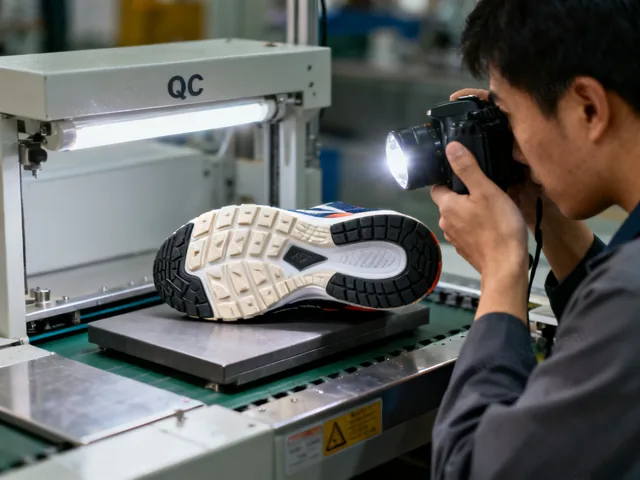
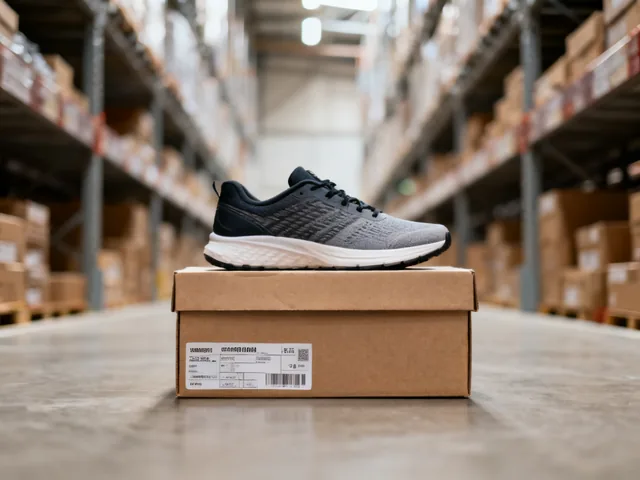
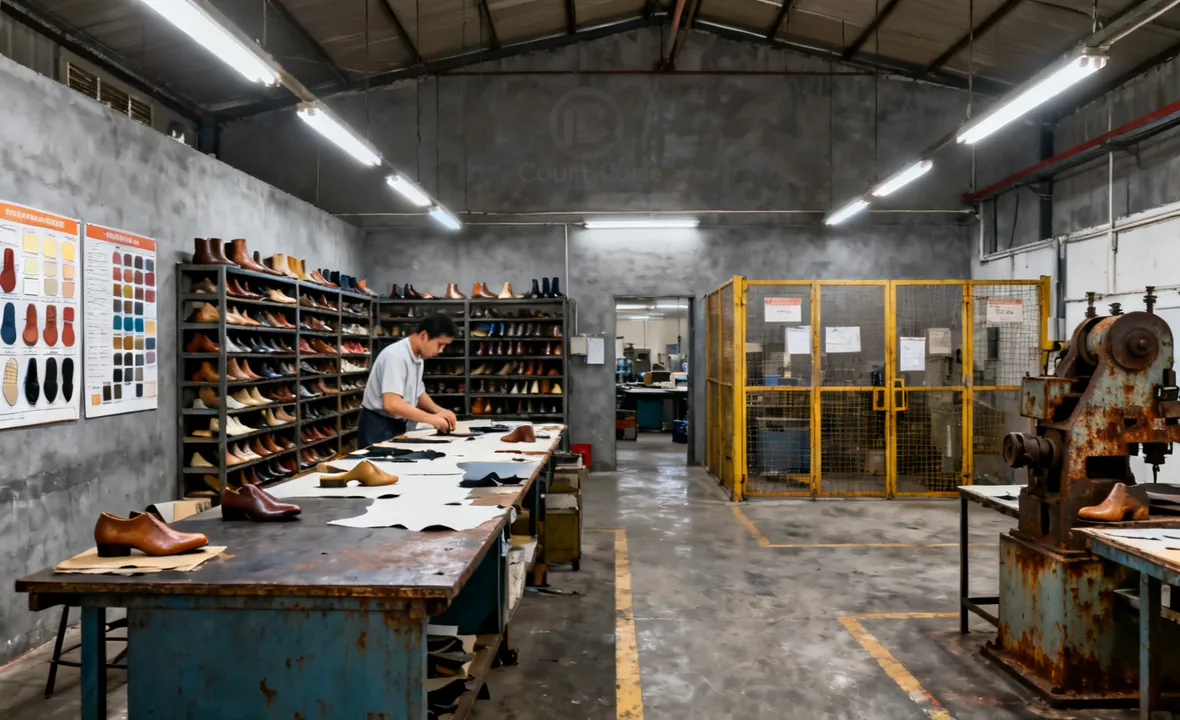
These frames show cutting, lasting, numbering and QC. They illustrate capability, not a named client list.
Include whether the job is a colorway on an existing court last or a new tool. Name sublimation, screen print or embroidery. List target market and the files you expect to receive with the first carton.